How to Choose the Right Electric Chain for Your Needs?
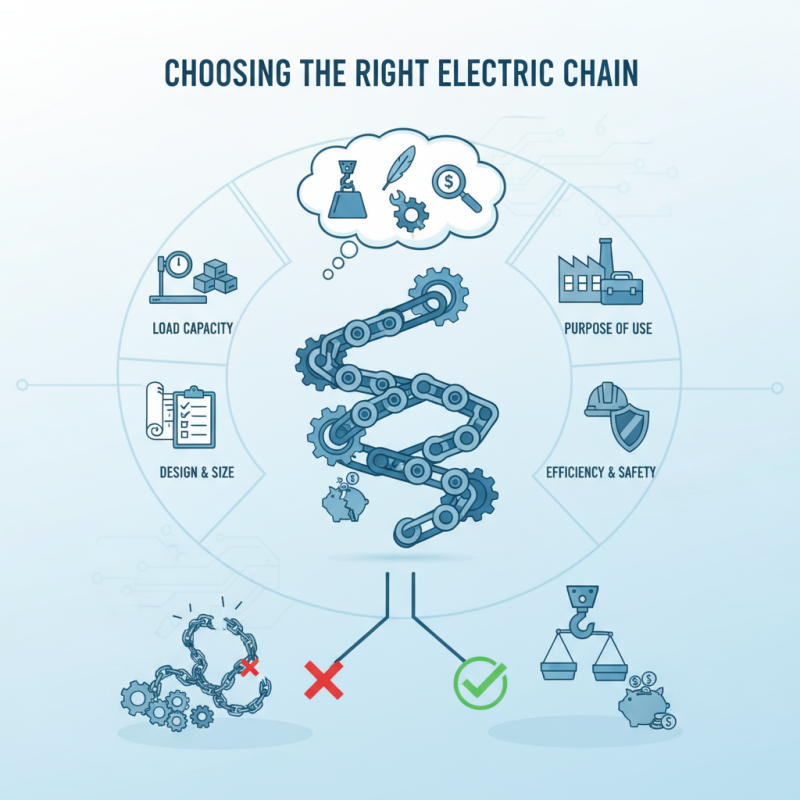
Choosing the right Electric Chain is more important than it seems. Various factors influence your decision. From load capacity to the purpose of use, understanding these elements helps you make a better choice.
Electric Chains come in different designs and sizes. Each one serves a specific function. Therefore, assessing your needs can be tricky. Are you lifting heavy loads? Or perhaps, you need it for lighter tasks? Every detail counts.
It’s easy to get lost in options. Many buyers overlook crucial specifications or functionality. Reflecting on your actual requirements can prevent costly mistakes. An informed choice leads to better results in the long run. Making a thoughtful decision may feel overwhelming, but it can greatly enhance your efficiency and safety.
Understanding Electric Chain Types: A Comprehensive Overview
When selecting the right electric chain, understanding the various types is crucial. Electric chains come in different designs, suited for specific tasks. The types generally include roller chains, linked chains, and those designed for hoisting. Each type has distinct characteristics that can impact performance and efficiency.
Roller chains are common. They are effective for moving heavy loads across long distances. Linked chains offer flexibility but may not provide the same level of strength. Hoisting chains are specialized for lifting. They are robust and built to handle heavy weights safely.
Here are some tips to guide your choice:
- Always consider the weight capacity. Matching the chain to your load prevents accidents.
- Look at the material. Stainless steel may be more durable but heavier, while plastic options are lighter yet less sturdy.
- Don't overlook maintenance needs. Some chains require regular lubrication. Others may not, influencing your long-term costs.
Choosing the right electric chain isn’t straightforward. Factors like environment and usage frequency matter. Sometimes, you might select a chain that isn't quite right. That's okay; learning from this can guide future choices.
Key Specifications to Consider for Your Electric Chain Selection
When choosing the right electric chain, several key specifications come into play.
Load capacity is crucial. Make sure it matches the materials or products you will be lifting.
A chain with a too low capacity can lead to failure. On the other hand, choosing an over-capacity chain adds unnecessary weight and cost.
Speed is another important factor. Electric chains operate at various speeds. You should consider the speed of your operations.
If you need quick lifts, select a chain that can handle faster cycles. Ease of use matters too.
Look for controls that are intuitive. Complicated controls can slow down your workflow and cause errors.
Remember to think about the environment where the chain will be used. Conditions might be dusty, wet, or even harsh.
Some chains resist corrosion better than others. You might want to invest in features that enhance durability.
Consider how often the chain will be maintained. Regular maintenance can be a hassle for some.
Balancing convenience with performance often requires thoughtful decisions.
Don't skimp on evaluating your needs and the environment.
Assessing Load Capacity: How Much Weight Can the Chain Handle?
When selecting an electric chain, assessing load capacity is crucial. How much weight can the chain handle? This factor influences performance and safety. The right chain should easily support your lifting requirements. Overloading can lead to chain failure. Be careful; not all chains are made alike.
While gauging load capacity, consider both static and dynamic loads. Static loads are weight at rest. Dynamic loads involve lifting and lowering. Many users overlook these differences, leading to errors. It’s easy to underestimate the forces during operation. A chain with a higher load rating can provide peace of mind.
Tips: Always check the manufacturer's specifications. Look for any warnings regarding weight limits. Keep in mind that environmental factors can impact performance. For instance, temperatures or corrosion might weaken chains over time. Regularly inspect your equipment and replace any worn parts promptly. Making these adjustments can enhance safety and efficiency in the long run.
Evaluating Speed and Efficiency Ratings for Electric Chains
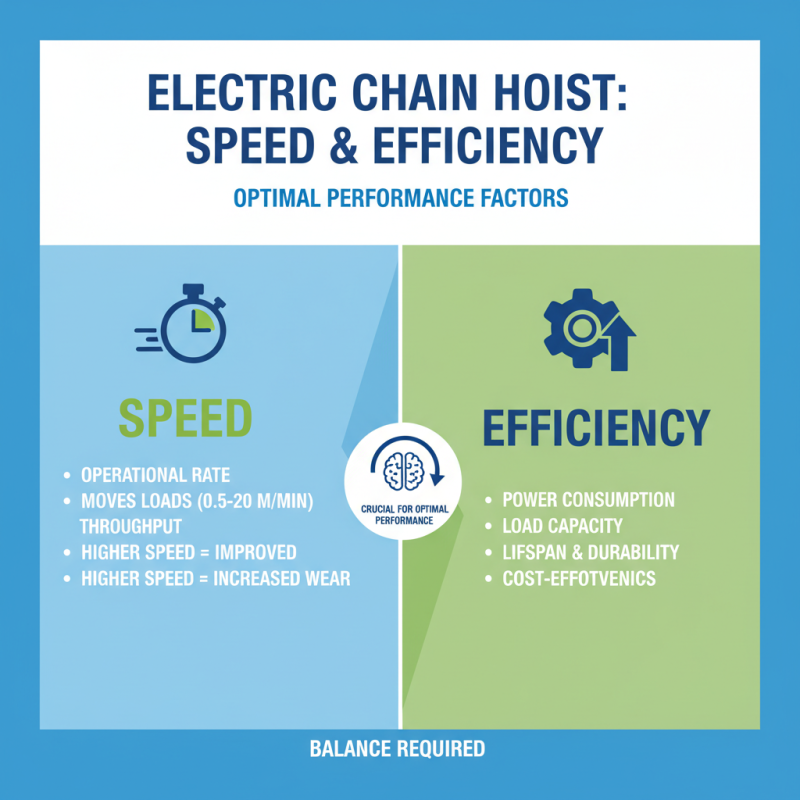
Evaluating speed and efficiency ratings for electric chains is crucial for optimal performance. Speed typically refers to the operational rate at which the chain can move loads. Most electric chains offer speeds ranging from 0.5 to 20 meters per minute. A chain rated for higher speeds may improve throughput. However, it can also lead to increased wear and tear.
Efficiency ratings, measured as a percentage, show how much input energy is converted into effective work. According to industry reports, efficient electric chains can achieve ratings above 85%. This means that only a few percentage points are lost to heat and friction. Yet, users often overlook these figures. They focus more on initial costs rather than long-term savings.
Choosing an electric chain based solely on speed may lead to regrets. Some high-speed options could compromise safety and durability. Efficiency is just as important. A chain with a lower speed but higher efficiency ratings may prove to be more reliable. In the end, assessing both qualities is essential for the right fit. A careful balance can enhance both productivity and longevity in operations.
Maintenance and Durability Factors in Choosing the Right Electric Chain
When selecting an electric chain, maintenance and
durability are crucial. Chains endure friction and wear over time.
Regular inspections can identify issues early. Look for signs of rust or
unusual noises. These may indicate the need for lubrication or potential replacement. Neglecting this aspect can lead to
unexpected breakdowns. Remember, a well-maintained chain
ensures smooth operation.
Durability depends on the materials used in the chain's construction. Some chains are designed for heavy-duty
applications, while others are suited for lighter tasks. Think about your specific needs. Will your chain face harsh
environments? Choosing a chain that withstands those conditions is vital. Stainless steel
options often resist corrosion better than standard steel. However, they may come with a higher cost.
Consider the frequency of use as well. A chain that's rarely used may not need high durability. In contrast,
daily use demands sturdier materials. Evaluate how different chains feel in your hands, too. Sometimes,
practical experience reveals more than specifications. A chain may look perfect on paper but fail in real-world applications.
Reflecting on these factors can help prevent future headaches,
ensuring you choose wisely.