Top Benefits of Hydraulic Cargo Lift in Modern Warehousing Solutions?
In today’s fast-paced logistics environment, the role of the Hydraulic Cargo Lift is vital for modern warehousing solutions. According to a recent industry report, nearly 75% of warehouses now incorporate hydraulic systems to optimize vertical transportation. This shift not only enhances efficiency but also improves safety for workers.
Expert John Taylor from the National Logistics Association stated, "Hydraulic Cargo Lifts transform the way we think about movement within warehouses." His insights highlight the crucial advantages of these systems. They minimize manual handling and reduce risk of injury, contributing to a healthier workforce. Additionally, they can support heavy loads, with some models lifting over 10,000 pounds securely.
However, despite their benefits, some challenges remain. Maintenance of hydraulic systems can be costly and time-consuming. Organizations must weigh these factors against efficiency gains. Assessing the long-term ROI of Hydraulic Cargo Lifts can be complex. In this evolving landscape, total integration of these systems is more important than ever for achieving operational excellence.
Advantages of Efficient Load Handling with Hydraulic Cargo Lifts
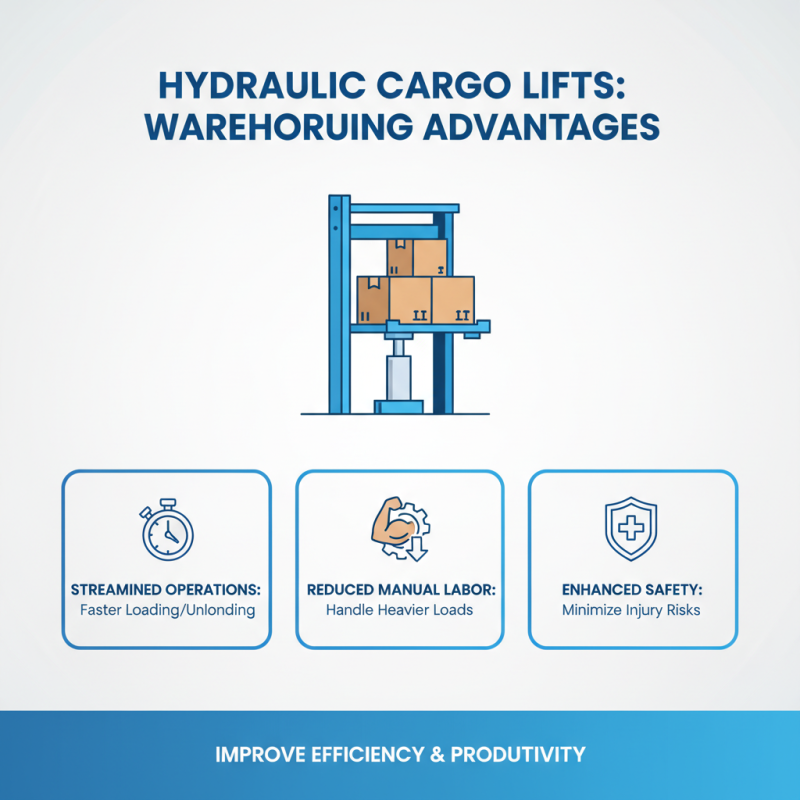
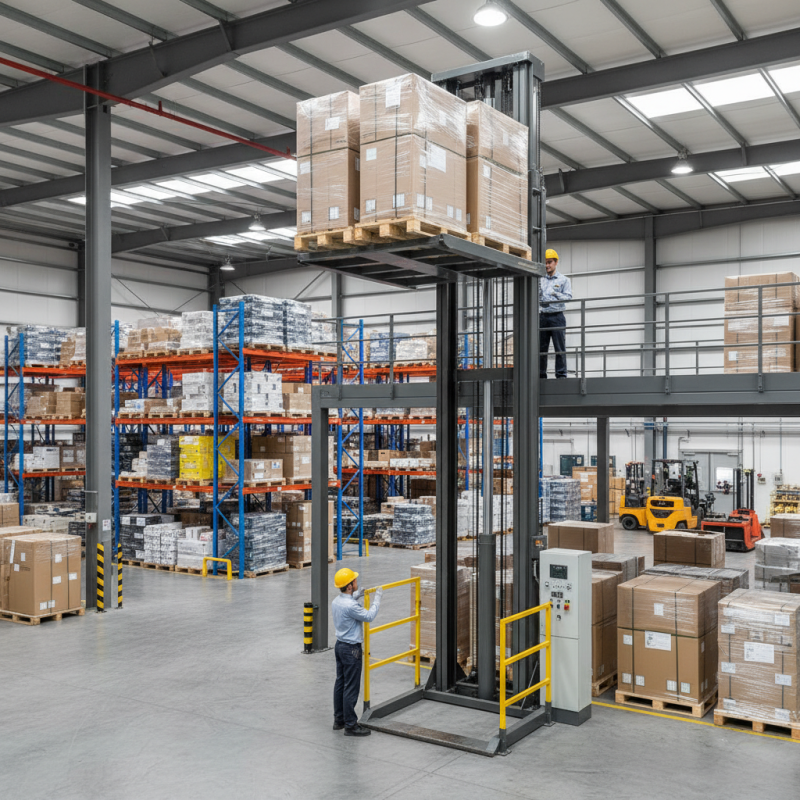
Hydraulic cargo lifts offer significant advantages in modern warehousing. They streamline the process of loading and unloading goods. These lifts reduce manual labor and improve efficiency. Workers can handle heavier loads with less effort. This not only saves time but also minimizes the risk of injuries.
Efficient load handling is paramount in busy warehouses. Hydraulic lifts make vertical transportation seamless. They can move items quickly between floors. This is crucial when dealing with bulky or heavy products. Delays caused by slow manual handling can disrupt the entire operation. However, relying too much on technology can lead to challenges. Maintenance of hydraulic systems is essential to prevent breakdowns. Neglecting this could result in costly downtime.
Observing the workflow can reveal areas for improvement. Are workers trained adequately to use these lifts? Regular training can enhance safety and efficiency. It’s important for operators to understand the lift’s capabilities and limitations. Sometimes, it’s easy to overlook the human aspect amid the tech focus. Balancing both is the key to maximizing the benefits of hydraulic cargo lifts.
Improved Space Utilization in Warehouses through Vertical Movement
In modern warehousing, maximizing space is crucial.
Hydraulic cargo lifts offer a smart solution for vertical movement.
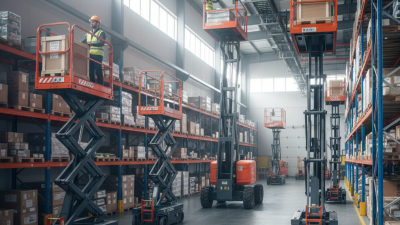
By using these lifts, warehouses can utilize height effectively. Storing items on multiple levels saves valuable ground space.
This approach also helps in organizing products better.
Tip:
Regular maintenance of hydraulic lifts is essential. A well-maintained lift ensures safety and efficiency.
Check for leaks and wear regularly. Additionally, train staff on proper usage.
Inadequate training can lead to accidents and inefficiencies.
Implementing these lifts provides unique challenges. It's vital to assess the layout before installation.
Consider the size and weight capacity needed. Poor planning can lead to a crowded workspace.
Always gather feedback from staff on usability. Their insights can reveal issues that management may overlook.
Enhancing Safety Standards with Hydraulic Cargo Lift Technology
Hydraulic cargo lifts play a crucial role in modern warehousing. They enhance safety standards significantly. The technology allows for smooth and controlled lifting of heavy goods. This reduces the risk of accidents during loading and unloading. Warehouse workers face daily hazards. With a hydraulic lift, the likelihood of injuries diminishes.
Each lift operates with precision. This ensures that loads are carried efficiently and safely. Well-designed hydraulic systems offer stability. This prevents goods from toppling or spilling during movement. However, it's important to regularly maintain these lifts. Neglecting maintenance can lead to malfunctions. Such issues may compromise safety.
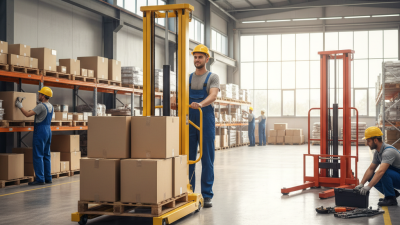
Training staff on proper usage is essential. A well-trained worker knows how to interact with the lift. This minimizes risks associated with human errors. Inadequate training, however, can lead to accidents. It’s crucial to invest time in education and best practices. Safety should always be the top priority in any warehouse environment.
Top Benefits of Hydraulic Cargo Lift in Modern Warehousing Solutions
| Benefit |
Description |
Impact on Safety |
Efficiency Increase (%) |
| Improved Handling |
Facilitates safer lifting and lowering of heavy goods. |
Reduces risk of injuries related to manual handling. |
30% |
| Space Optimization |
Maximizes storage space by allowing vertical stacking without risk. |
Minimizes hazards associated with overcrowded workspaces. |
25% |
| Versatility |
Can lift various types of cargo safely and efficiently. |
Helps accommodate diverse inventory with minimal risk. |
20% |
| Ease of Use |
User-friendly controls make operation intuitive for staff. |
Enhances operator safety and reduces errors. |
15% |
| Reduced Downtime |
Efficient operation lowers waiting times for cargo handling. |
Less rush during operations decreases accident potential. |
40% |
Streamlining Operations: Time and Labor Savings in Warehousing
In modern warehousing, efficiency is key.
Hydraulic cargo lifts are transforming how operations run.
According to a study by the Warehousing Education and Research Council, using hydraulic lifts can reduce labor costs by up to 30%.
This significant saving allows businesses to invest in other areas, enhancing overall productivity.
Labor-intensive tasks often cause delays. Traditional methods can slow down movement between floors.
Hydraulic lifts eliminate this issue. They can carry heavy loads swiftly, ensuring items move quickly where needed.
A report from McKinsey states that automation in warehouses, including hydraulic lifts, can lead to time savings of around 25%.
However, reliance on technology brings challenges. Staff need training to operate hydraulic lifts safely and effectively. Furthermore, maintenance becomes crucial.
A breakdown could halt operations, leading to losses.
In the fast-paced warehousing environment, constant evaluation is necessary.
Embracing hydraulic lifts can streamline operations but involves a commitment to continuous improvement.
Versatility and Customization of Hydraulic Cargo Lifts for Various Needs
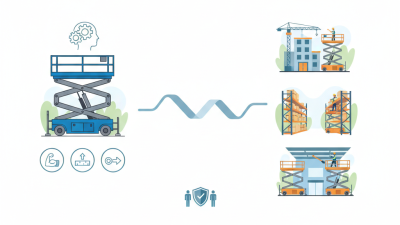
Hydraulic cargo lifts have become essential in modern warehousing. Their versatility allows them to adapt to various industrial needs. Reports indicate that over 70% of warehouses are enhancing their operations with customized lift solutions. These lifts can handle different loads and sizes, making them ideal for diverse product types.
Customization is a key benefit. Businesses can modify lift specifications to fit their unique workflows. For instance, warehouses handling heavy machinery require robust hydraulic systems. Meanwhile, those dealing with lighter goods benefit from smaller, agile lifts. This customization drives efficiency. However, not all lifts meet every requirement perfectly. Some may underperform in highly specialized tasks.
Maintenance and operational training are vital. A poorly maintained lift can lead to downtime. According to industry studies, proper training increases safety and efficiency by 30%. It highlights the need for continuous improvement. While hydraulic lifts are versatile, they require careful consideration of their limitations in specific applications.